
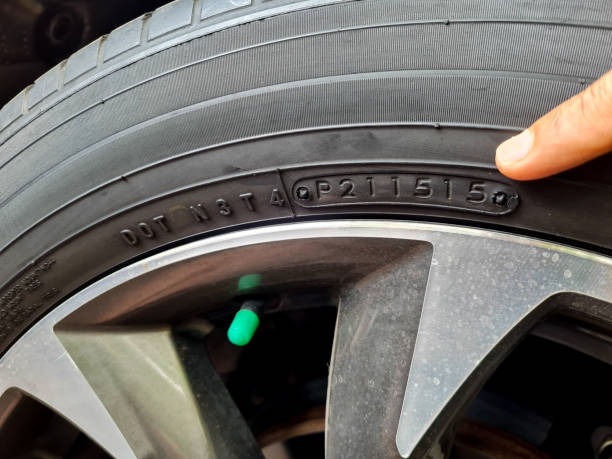

Tyre Code: Understanding the Markings on Your Tyres
The combination of letters and numbers printed on a tyre sidewall provides useful information about its dimensions and specifications. Understanding a tyre code can help motorists identify the tyre fitted to their vehicle and make more informed decisions when purchasing replacements.
Although the markings may initially appear complicated, each section generally represents a particular characteristic. Drivers should also refer to their vehicle manufacturer’s specifications when determining which tyres are appropriate for their car.
Understanding a Typical Tyre Marking
A common marking may look something like 205/55 R16 91V. Rather than representing a single measurement, the sequence contains several pieces of information relating to tyre size, construction and performance classifications.
Motorists learning how to interpret a tyre code can break the sequence into individual sections. Understanding each element makes it easier to compare an existing tyre with the specifications of a potential replacement.
Tyre Width
Using 205/55 R16 as an example, the first number indicates the nominal section width of the tyre in millimetres. In this case, 205 represents a nominal width of 205 mm.
Tyre width should not be changed simply because a wider or narrower option appears preferable. Different dimensions can affect fitment and vehicle characteristics, so motorists should follow appropriate vehicle and tyre manufacturer recommendations.
Aspect Ratio
The number after the slash represents the aspect ratio. In 205/55, the number 55 indicates that the tyre’s sidewall height is expressed as a percentage of its nominal section width.
This means the figure is a ratio rather than a direct measurement in millimetres. Understanding this distinction is useful when comparing tyres with apparently similar dimensions.
Construction and Rim Diameter
The letter R commonly found within a tyre code indicates radial construction, which is widely used for modern passenger vehicle tyres.
The number immediately following it represents the nominal rim diameter in inches. Therefore, R16 indicates radial construction intended for a 16-inch rim. The tyre and wheel must have compatible dimensions for correct fitment.
Load Index
A number following the tyre size, such as 91, represents the load index. This code corresponds to a specified maximum load capacity under defined conditions rather than directly meaning 91 kilograms.
Drivers should consult the relevant load-index reference information and ensure replacement tyres satisfy the requirements specified for their vehicle.
Speed Rating
A letter appearing after the load index indicates the tyre’s speed rating. Each rating corresponds to a defined maximum speed capability under specified conditions.
The speed rating should not be interpreted as a recommended driving speed. Road regulations, driving conditions and vehicle limitations always remain relevant. Replacement tyres should meet the specifications required for the vehicle.
Other Sidewall Information
Tyre sidewalls can contain additional markings beyond the primary size designation. Depending on the product, these may provide manufacturing, construction, certification or other technical information.
Drivers should avoid relying on only one marking when assessing tyre suitability. The complete specification and vehicle requirements should be considered together.
Why Understanding Tyre Markings Matters
Knowing how to read sidewall information can make conversations with tyre dealers more efficient. Drivers can provide their existing size when asking about stock, prices or replacement options.
However, matching the visible dimensions alone does not necessarily confirm that every specification is suitable. Load capacity, speed rating and manufacturer requirements should also be checked.
Conclusion
A tyre code provides concise information about tyre width, aspect ratio, construction, rim diameter, load index and speed rating. Learning what these markings mean can help motorists understand their existing tyres and compare replacement options more effectively. Before changing tyre specifications, drivers should consult their vehicle documentation or an appropriate tyre professional to confirm suitable fitment.